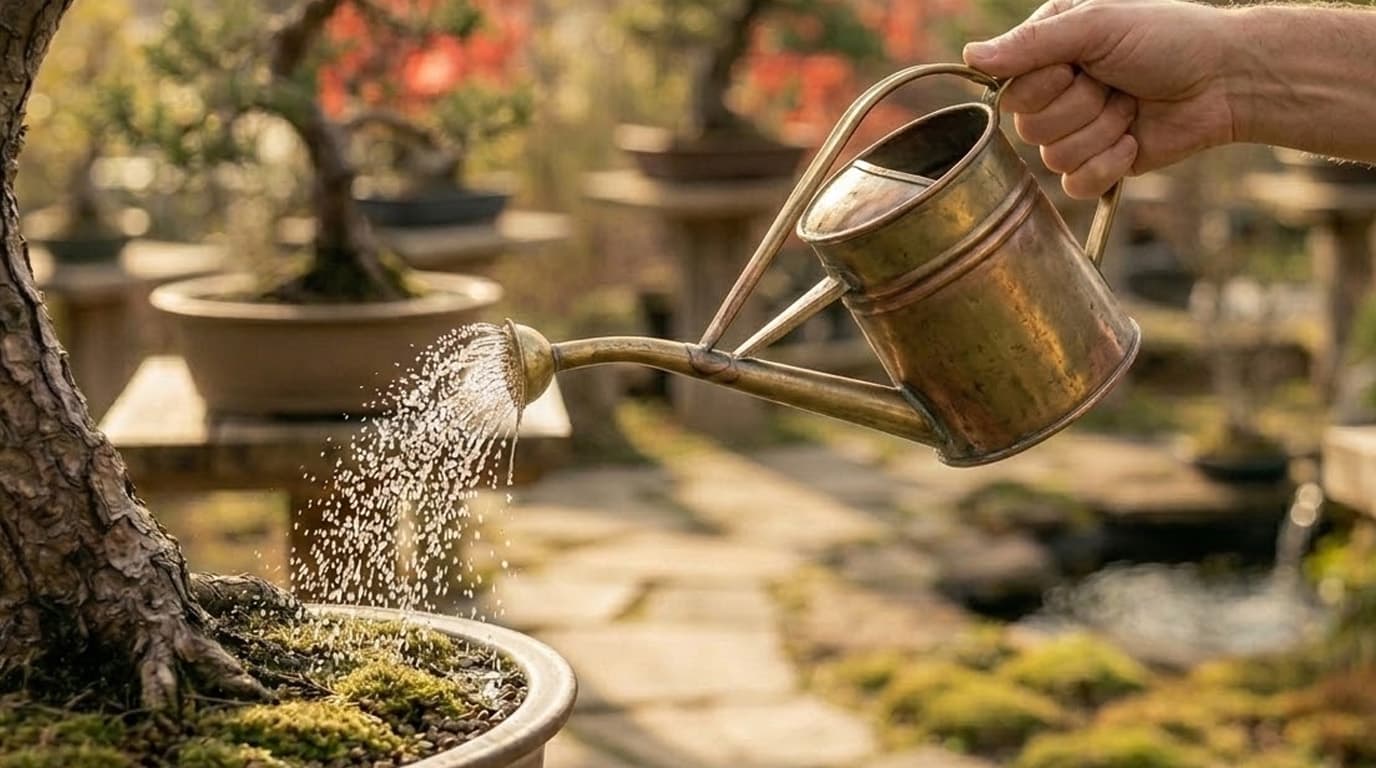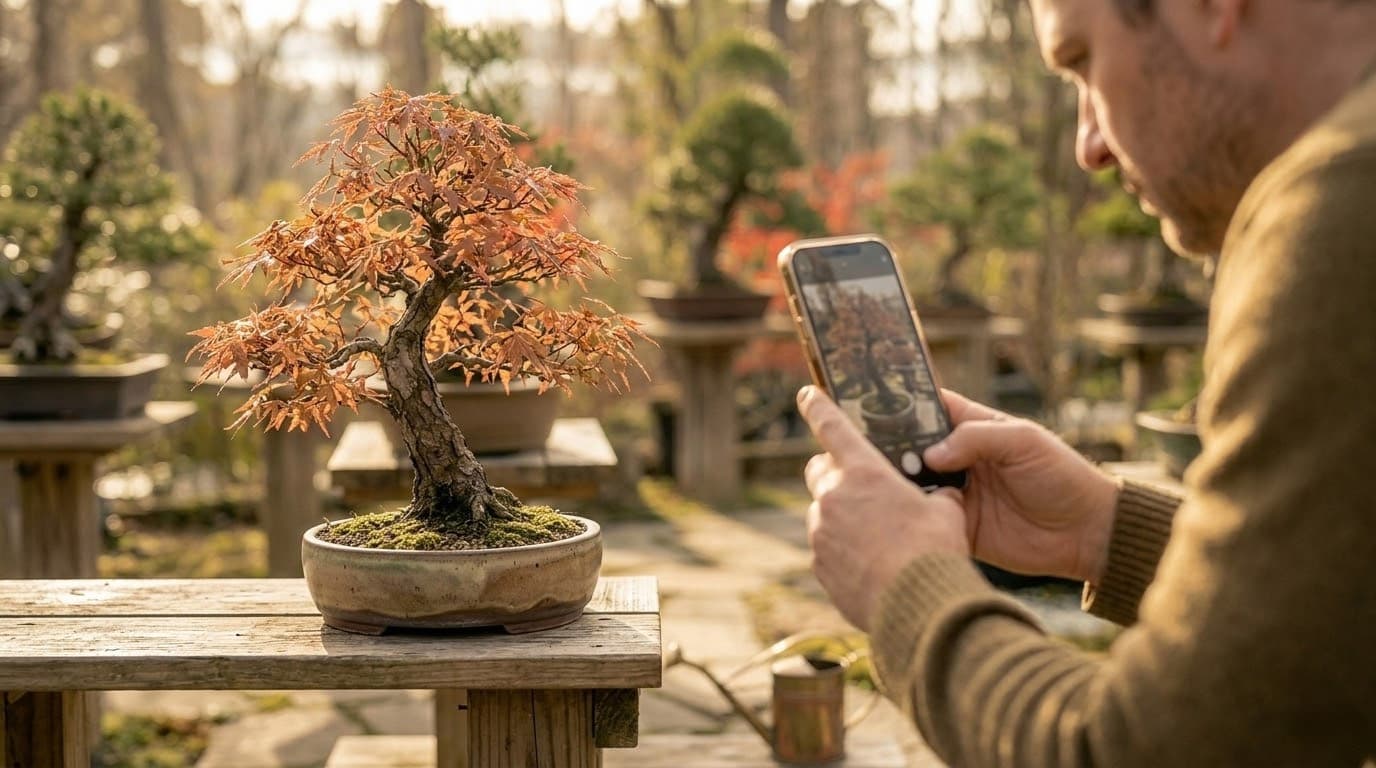
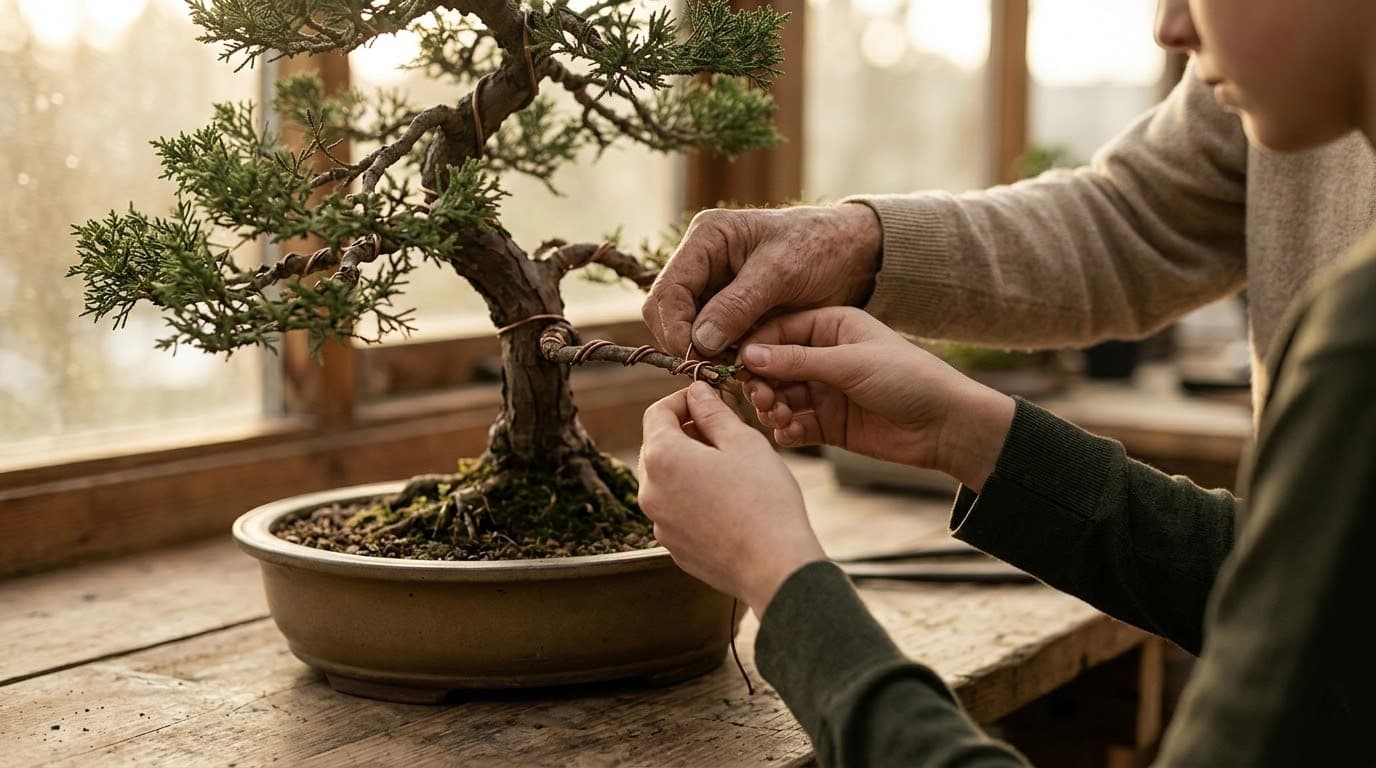
Your oldest bonsai might be 50 years old. Maybe 100. Some trees in collections around the world are over 500 years old, shaped by generations of careful hands. What happens to yours when you're no longer around to care for them?
It's a question most collectors avoid. But it's the most important one you can ask.
The Problem No One Talks About
Walk into any bonsai club meeting and you'll hear passionate discussions about soil composition, wire gauge, and the merits of different pruning techniques. What you won't hear is anyone talking about what happens to their collection when they can't maintain it anymore.
The result? Every year, valuable collections — trees that took decades to shape — end up neglected, sold off to people who don't understand their history, or worse, simply abandoned.
What a Succession Plan Actually Looks Like
A good succession plan isn't just a list of names. It's a complete document that answers three questions for every tree in your collection:
- Who gets this tree? — A specific person, ranked by priority if your first choice isn't available.
- How should they care for it? — Species-specific instructions, the tree's history, its quirks, its schedule.
- What's it worth? — Not just monetary value, but the story and significance behind the tree.
Think of it as a care manual that happens to include inheritance instructions.
Why Most Approaches Fail
Some collectors write notes in a journal. Others keep a spreadsheet. A few have told their spouse or children verbally. These approaches all share the same problem: they're incomplete, hard to find, and impossible to keep updated.
Your succession plan needs to be:
- Centralized — one place where everything lives
- Up to date — reflecting your current collection, not what you had three years ago
- Detailed — enough information that someone with basic bonsai knowledge could follow it
- Accessible — your beneficiaries need to be able to find and understand it
Getting Started
You don't need to plan your entire collection in one sitting. Start with your most valuable or significant trees — the ones that would be the biggest loss if neglected.
For each tree, document:
- The species, age, and where you acquired it
- Current health status and any ongoing issues
- The care schedule (watering, fertilizing, repotting cycle)
- Who you'd want to receive it
- Any special instructions the new caretaker should know
Once you've covered your top trees, work through the rest of the collection over time.
The Peace of Mind Factor
Collectors who create succession plans consistently report the same thing: relief. Not because they're planning for something morbid, but because they finally feel confident that the work they've put into their trees — sometimes spanning decades — won't be lost.
Your trees are living art. They deserve a future as carefully planned as the years you've spent shaping them.
Bonsai Legacy makes succession planning simple. Assign beneficiaries to each tree, add care instructions, and export your complete legacy plan — all in one place. Start for free →